Chapter 2: Payments
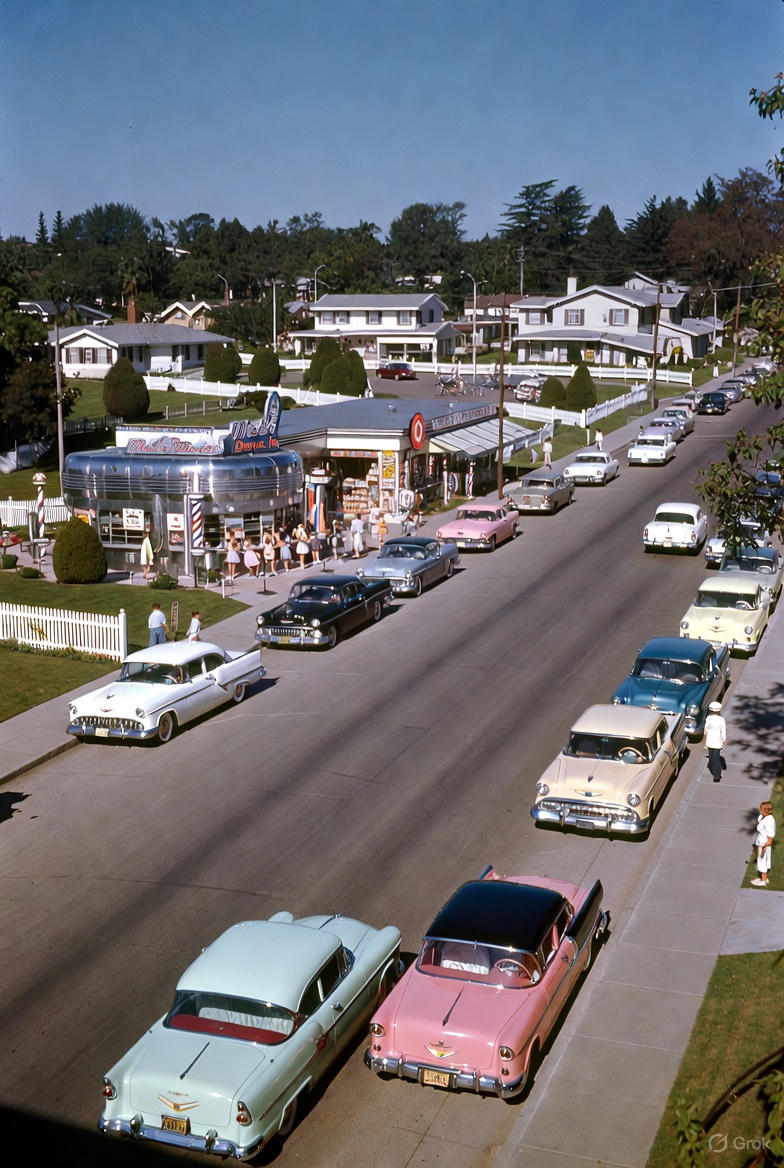
Week 2: The Crazy 5,000-Year Quest to Make Paying for Stuff Less Annoying (And Why God Cares Who Holds Your Phone When You Tap to Pay)
You’re at Chick-fil-A after Friday night’s game with the whole team. Someone shouts “I got it!” and the total hits $87.43. Phones come out to for teammates to pay their share to the leader, one quick tap each, done in 8 seconds. No wallet, no cash, no problem. That tiny miracle runs on a 5,000-year story that started with a farmer who just wanted to trade dates for a water jar without hauling it across the desert.
This week we zoom in on the pipes, rails, and invisible highways that move your money the second you hit “send” on Venmo or tap your card at the counter. We’re still running on the exact same two engines from week one:
- Medium of exchange (something everybody agrees is worth something)
- Store of value (my work today still counts tomorrow)
But now we watch the world go absolutely nuts trying to make those two engines quieter, faster, safer, and smaller — until they fit in your pocket and run on a thumbprint.
Buckle up. Same cinematic time-machine rules as last week.
 Ancient Mesopotamia, 3000 BC – The Original “IOU Clay Ball” Dust swirls around the temple steps in Uruk, one of the world’s first cities, where the air smells of baked clay and fresh grain. You’re that teenage farmer, shoulders sore from the harvest, dumping ten sacks of dates into the cool, shadowy temple storeroom. The priests—think ancient accountants in linen robes—count every pit and nod. In return, they hand you a clay envelope the size of an orange: a bulla, sealed tight with a cylinder stamp that’s like a fancy signature. Inside? Tiny clay tokens shaped like dates, each one saying “10 sacks, good anytime.”
You shove it in your belt and stroll to the potter’s stall, where wheels spin and the sun glints off fresh jars. No more awkward haggling or hoping the potter craves dates today. Crack open the bulla, hand over the tokens, and walk away with two perfect water jars for your family’s well. The temple didn’t just store your grain—they turned it into a portable promise, solving the “double coincidence of wants” problem from Week 1. This was the world’s first prepaid debit card: your dates as a store of value, the tokens as a medium of exchange. Mind blown. And it all started because temples were the safest vaults around—run by gods, guarded by kings.
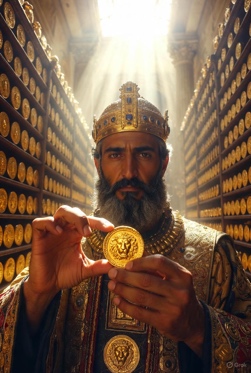 Lydia, 600 BC – The Birth of Bling You Can Spend The kingdom of Lydia (modern-day Turkey) is a dusty crossroads of empires, where traders from Persia haggle with Greeks over wool and olives. King Croesus—yep, the guy behind the phrase “rich as Croesus”—sits on piles of electrum, a natural gold-silver alloy so heavy it’s a literal backache. “We can’t lug this everywhere,” he declares. So his smiths melt it down, pour it into tiny bean-shaped nuggets, and stamp each one with a roaring lion and the king’s guarantee: “This weighs exactly 1/10th of a shekel, pure as my word.”
Suddenly one coin buys bread in a Turkish bazaar, wine on the Greek isles, or spices from Persian bazaars. No more weighing metal on shaky scales or trusting a stranger’s word. Trade explodes like a dam breaking—cities swell with merchants, roads carve through mountains, ideas (and armies) flow faster. Croesus gets famous as the richest king alive. Coins are born, turning vague “value” into something you can jingle in your pocket. Imagine flexing the first gold coin in 600 BC like it’s a fancy premium credit card today—the kind rich folks flash for VIP treatment. It’s the ultimate upgrade: portable, standardized, trusted far beyond your village borders.
 Tang Dynasty China, 800 AD – Paper Money and the First Hyperinflation In the bustling markets of Chang’an, capital of the Tang Dynasty, silk merchants groan under strings of copper coins that clink like wind chimes but weigh like anchors—sometimes 50 pounds for a single bolt of fabric. “There’s got to be something lighter,” they mutter. Enter the emperor’s solution: colorful paper notes called jiaozi, issued by government warehouses and stamped with seals promising “This equals 1,000 coins, backed by the throne.” Merchants stash their heavy cash, grab a handful of fluttering bills, and trade along the Silk Road without breaking their backs.
It works like magic at first—the paper’s a perfect medium of exchange, easy to carry from Beijing to Baghdad. But emperors love printing presses (invented in China, naturally). Flood the market with too many notes, and trust erodes. By the 13th century under Kublai Khan’s Yuan Dynasty, prices skyrocket: a wheelbarrow of paper buys what one coin once did. Marco Polo, wandering wide-eyed in 1275, scribbles home: “They use mulberry paper marked with the Great Khan’s seal—millions in circulation!” Sound familiar? Venezuela’s 2018 hyperinflation or Zimbabwe’s trillion-dollar bills echo the same lesson: print without limits, and your store of value turns to trash overnight.
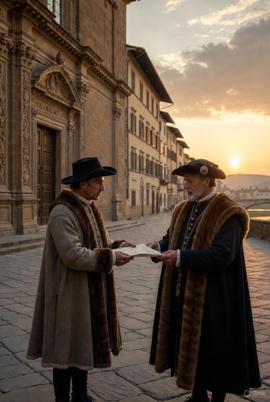 Italy, 1400s – The Medici Invent “Send Money Without the Highway Robbers” Dawn breaks over Florence in 1472, the Arno River shimmering like molten gold. You’re a wool merchant with a fortune in gold florins sewn into your belt—heavy, clinking, a bandit magnet on the bandit-plagued road to Venice. But the Medici family—bankers to popes and princes—have a fix. You stride into their Palazzo, hand over the gold to a sharp-eyed clerk behind a green baize table. In return? A crisp bill of exchange: “Pay to bearer 500 florins at our Venice branch, signed Cosimo de’ Medici.” No weight, no risk—just trust in the family’s web of branches from London to Constantinople.
Walk into Venice’s Rialto market, flash the bill to the local Medici agent, and boom—fresh coins for spices or glass, minus a modest 2–5% fee for the service. Distance dies. Trade goes supersonic: wool to Flanders, silks to Spain, all on paper promises. The Medici basically invent Western Union 500 years early, turning money into mail you can cash anywhere. Every era pays a small “convenience fee” so life can move faster and safer. The question is always: was the speed worth the cost? For the Medici, it built an empire—until over-lending to reckless kings toppled it in 1494.
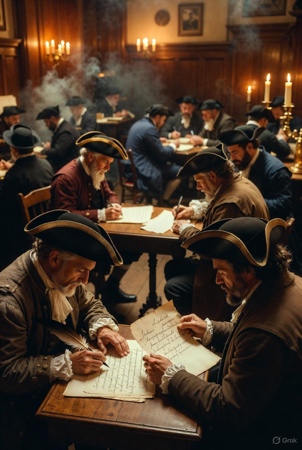 London Coffee Houses, 1688 – The Birth of Plastic’s Great-Great-Grandpa London’s coffee houses in the late 1600s are buzzing hives of deal-makers: merchants in wool coats puff pipes, haggling over Baltic timber or East India tea. At Lloyd’s Coffee House, goldsmiths (the era’s bankers) start scribbling notes: “I promise to pay the bearer £50 on demand, signed from my vault.” These aren’t royal pounds—they’re private IOUs, backed by the goldsmith’s locked chests downstairs. At first, only insiders trust them, but word spreads: lighter than coins, safer than carrying a purse.
By 1688, regular folks—bakers, tailors—prefer these “goldsmith notes” over heavy silver shillings that dent your pocket. It’s England’s first non-king-printed paper money, democratizing the medium of exchange. Coffee houses become stock exchanges in disguise, birthing insurance firms and joint ventures. The lesson? When trust scales from kings to everyday clerks, money starts working for the little guy—not just the crown.
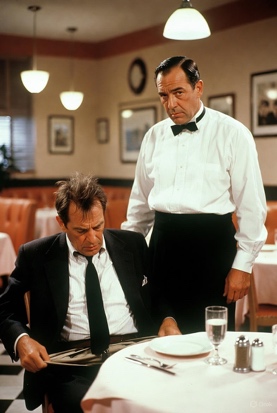 New York City, 1950 – The Night Frank McNamara Forgot His Wallet Frank’s at a fancy restaurant in 1949, reaches for his wallet… empty. Total embarrassment. Next year he goes back with 27 friends and a tiny cardboard card called the Diners Club Card. The restaurant owner shrugs and says, “Fine, pay me later.” The credit card is born — and the temptation to spend tomorrow’s money today walks into the world wearing a slick suit. Credit cards made life easier, but they also made it easy to spend money you don’t have yet — which the Bible calls a form of bondage (Proverbs 22:7). “Owe no one anything, except to love each other” (Romans 13:8) is a timeless guardrail here.
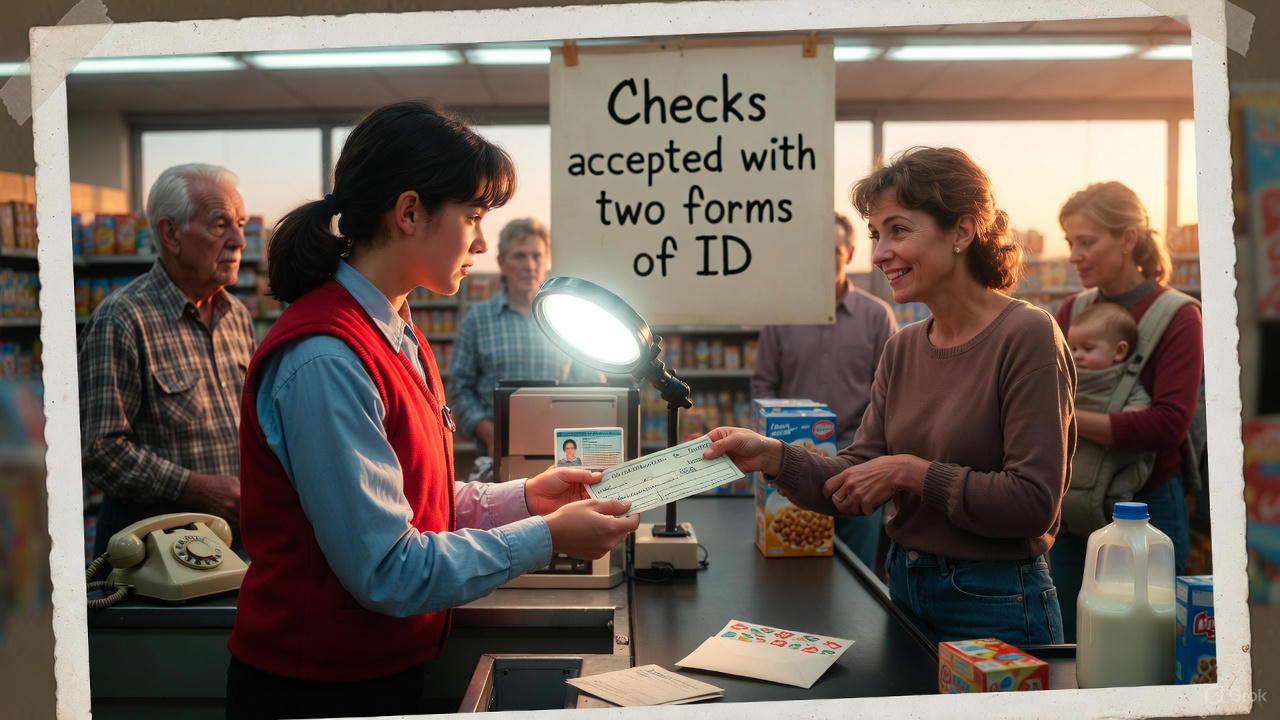 Checks and the Driver’s License Dance (1800s–1990s) Bills of exchange from the 1400s evolved into personal checks by the 1800s—slips of paper saying “Pay from my bank account to whoever holds this.” But they really took off in the 20th century as the go-to payment for everything from rent to catalogs.
By the 1960s–1990s, checks were king: your parents wrote one for groceries, stuffed it in a birthday card, or mailed it for bills. No apps, just ink and trust. But cashing it? That’s the dance. At the store, the cashier didn’t just take your word—they demanded ID. “Driver’s license, please,” they’d say, flipping it under the lights, sometimes even calling your bank to confirm funds (hello, rotary phone delays). Rubber checks bounced with $20 fees, counterfeiters thrived, and that Blockbuster clerk verified your video rental like national security.
 Checks peaked at 50 billion written annually in the U.S. by the late 1990s—safe for big purchases without cash, but slow and paper-heavy. They bridged old-school trust to digital speed, proving “verify before you buy” before thumbprints did it in seconds. No wonder Venmo felt like magic when it arrived.
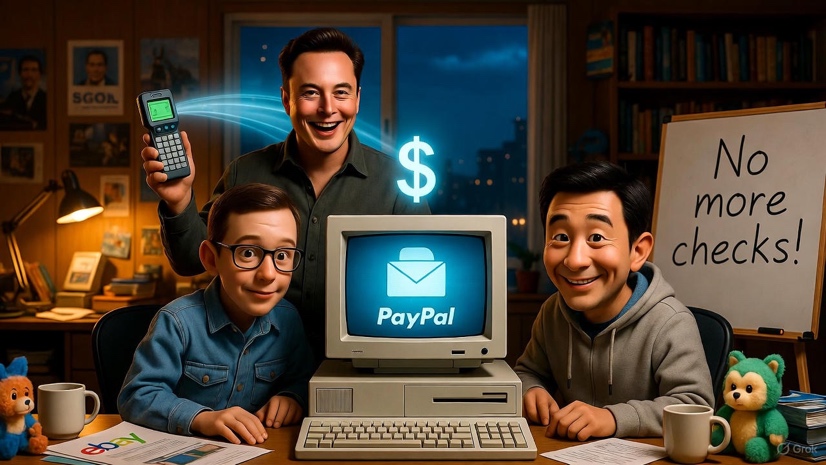
Silicon Valley, 1998 – Two Nerds (and One Future Rocket Guy) Invent Magic Internet Money
Picture the late 1990s: the dot-com boom is roaring, everyone is buying and selling on this brand-new thing called eBay, and the biggest headache is still the U.S. mail. You sell a rare Beanie Baby for $45. The buyer writes a paper check, stuffs it in an envelope, licks a stamp, and mails it. You wait—sometimes two weeks—for the money to finally show up. The buyer isn’t sure if you’ll actually send the Beanie Baby once the check is cashed. There isn’t a middle-man in case of a scam.
Peter Thiel and Max Levchin look at that mess and say, “There has to be a better way.” They start a tiny company first called Confinity. At almost the same time, a 27-year-old South African named Elon Musk is running a company called X.com that wants to be an online bank. In March 2000 the two teams merge, keep the PayPal name (because “friend pay” sounds catchier than X.com), and the rest is history.
(Oh yeah… guess who one of the early co-founders was? The same Elon Musk who now launches rockets, builds electric cars, and creates AI robots. PayPal was his very first big exit.)
By 1999 they roll out a feature that lets PalmPilot users beam money to each other. In 2000 PayPal explodes on eBay: buyers and sellers can send real dollars over the internet in seconds. No stamps, no envelopes, no waiting. Your Beanie Baby money lands in your inbox before the postman even reaches the corner.
PayPal grows so fast that eBay buys the company in 2002 for $1.5 billion in stock. Elon walks away with around $180 million, plants the seed money for SpaceX and Tesla, and the internet itself suddenly has cash. What does that mean? PayPal slashed eBay fraud 90% and sped transactions 10x—eBay's sales volume exploded from $2B to $20B in two years. Without safe digital cash, Amazon and Etsy might still be pipe dreams. What started as a handful of engineers fixing a frustrating delay becomes the foundation for almost every online payment you make today.
Cut to your group chat after practice: someone needs $28 for new cleats, another person collects for the youth-group mission-trip fundraiser—type the amount, add a quick note or emoji, hit send, and it’s done before anyone hops in their car to drive home. Seconds, not weeks. That’s the PayPal revolution—co-founded by the same guy who now wants to take us to Mars—still alive in your phone twenty-seven years later.
 A Dorm Room, 2009 – The Rebellion Money
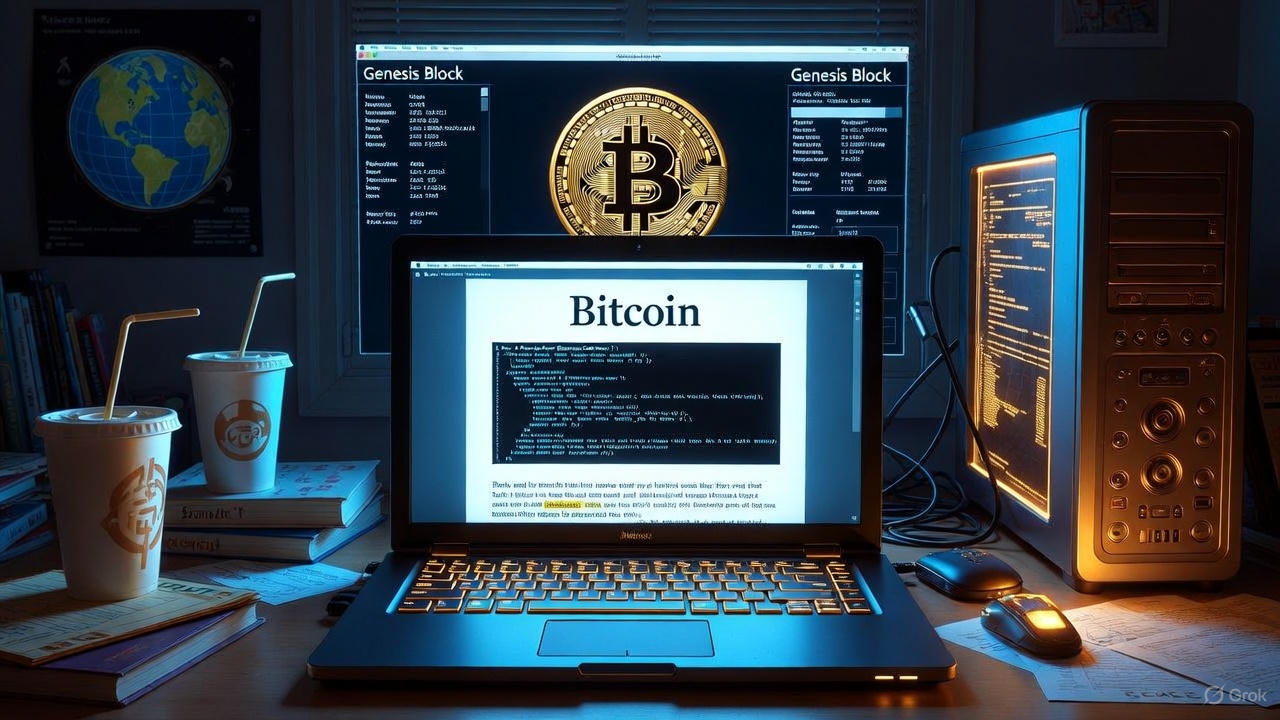
October 31, 2008. A quiet nine-page PDF titled “Bitcoin: A Peer-to-Peer Electronic Cash System” appears on an obscure cryptography mailing list. The author signs it “Satoshi Nakamoto”—a name no one has ever heard before and, to this day, no one knows for sure who it belongs to (one person? a group? a pseudonym?). Three months later, on January 3, 2009, the first block of Bitcoin is mined in what looks like an ordinary computer somewhere in the world.
Bitcoin is different from every kind of money that came before it. No central bank prints it. No government backs it. No single company controls it. Transactions are recorded on a public ledger called the blockchain that thousands of computers around the planet keep in perfect sync. Once money is sent, no one—not a bank, not a president, not even a hacker who steals your password—can freeze or reverse it without the private key you hold.
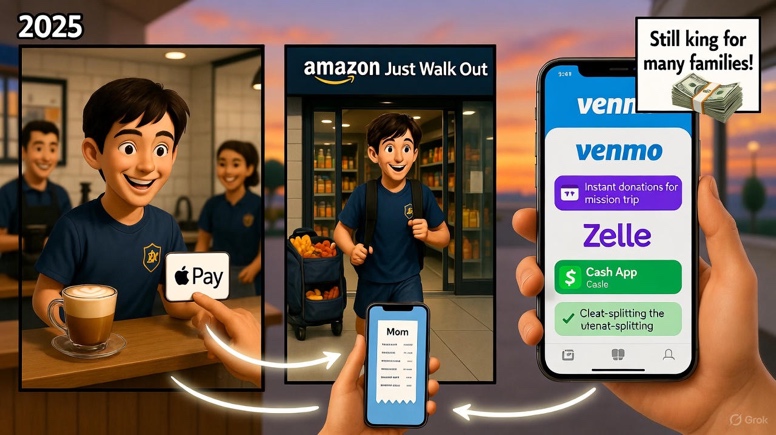 In the years since, Bitcoin has gone from worthless internet tokens to something worth hundreds of billions of dollars. Some people call it digital gold. Others call it a dangerous speculation. Families in countries with failing currencies use it to protect their savings. Others have lost everything in scams or wild price swings. Love it or hate it, Bitcoin proved one thing: for the first time in history, ordinary people can create and move money without asking any king, temple, or bank for permission. The argument about whether that’s genius or risky is still going strong today.
Your Pocket – The Final Boss: Tap, Face, Gone
Yet even in this lightning-fast world, many families still keep cash in an envelope for allowances, offering envelopes at church, or the concession stand that hasn’t upgraded yet. Cash is simple—no apps crashing, no Wi-Fi needed, no data breaches stealing your grandma’s grocery money. It’s private: no digital trail for hackers or advertisers to follow, just you and the bill in your hand. And the big one? It’s impossible to spend what you don’t have—a built-in guardrail that forces the pause: “Do I really need this third soda, or is that $2 better saved for cleats?” God can use even that little paper rectangle to teach self-control, echoing Proverbs 21:5’s “careful planning leads to profit.” In a tap-to-pay era, cash whispers discipline when everything else screams “now.”
The tools keep getting faster and flashier, but the two ancient engines—medium of exchange and store of value—never change. The question that remains is the same one the Mesopotamian farmer faced 5,000 years ago: Will we use this incredible speed to honor God and serve others, or just to serve ourselves a little quicker?
Every single payment innovation is just a new way to answer one question: Are we using this speed and convenience to love God and love people… or to love ourselves faster? Scripture check: Proverbs 11:1 says God hates dishonest scales — and that includes hidden fees or apps that trick you into overspending.
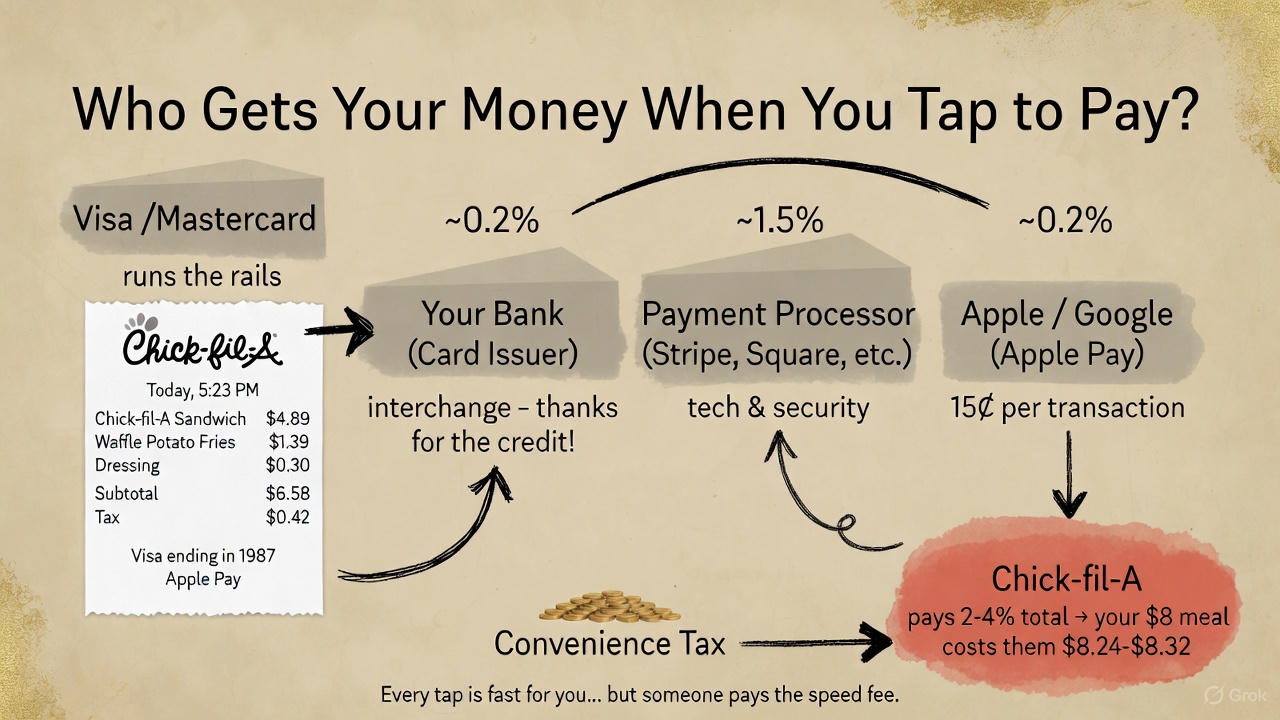 Modern Ecosystem – Who Gets Your Money When You Buy That $8 Lunch?
- Card brand (Visa/Mastercard) – takes ~0.1–0.3% for running the rails
- Your bank (issuer) – grabs 1–2% interchange for lending you the credit
- Payment processor (Stripe, Square) – takes another cut for the tech
- The merchant (Chick-fil-A) – pays 2–4% total just to let you tap your phone
- Apple/Google – if you used Apple Pay, they skim a tiny slice too
That’s why a $4 coffee sometimes costs the shop $4.15. The convenience tax is real.
Risks of the Fast Lane: Buy Now, Pay Later – And the New Cards Making It Even Sneakier
Fast-forward to today. “Buy now, pay later” (BNPL) services like Affirm and Klarna have turned every online checkout into a temptation trap.
Picture this: It’s late at night after practice. You’re scrolling Instagram and spot the perfect $200 pair of sneakers for the team trip. The app flashes: “Four easy payments of $50 – no interest!” One tap and the shoes ship tomorrow. It feels like free money… right?
Here’s the gut punch. Miss just one of those $50 payments (maybe practice ran long and you forgot), and suddenly late fees pile on – $7 to $30 each time. Your credit score can drop 50–100 points, exactly like a regular credit card. Those “easy” payments can snowball from $200 to $300 or more in no time. In a single year, BNPL users paid $2.6 billion in late fees, and one in five teens said they had to skip gas or groceries to cover them.
 BNPL is convenience on steroids – but with no brakes. There’s no built-in spending limit like cash, and no grace period from Mom or Dad’s bank account. Studies show 40% of young users end up deeper in debt than when they started, chasing the rush of “I got it now” while tomorrow’s budget quietly suffers.
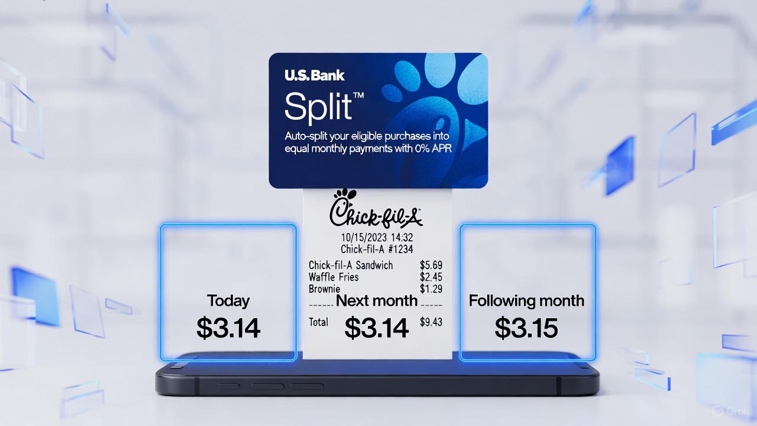
You’d think banks would know better… but one large bank launched a card that splits purchases. It’s basically BNPL baked right into a credit card.
Every purchase automatically splits into three interest-free monthly payments – no extra fees for the basics. Treat the team to $80 at Chick-fil-A? It’s just $26.67 a month for three months. For bigger items over $100, you can stretch it to six or twelve months for a small fixed fee (usually $5–$10 per month).
It’s marketed as “budgeting control” with real credit-building benefits and the fraud protection you don’t always get from apps. A lot of Gen Z loves the transparency – no hidden interest surprises.
Yet wisdom still whispers the same truth: even “no-interest” plans can train your heart to buy first and feel the weight later. What starts as splitting a team dinner can slowly creep into “just one more gadget.” Use these tools like a hammer, not a habit – always count the total cost first.
Remember Romans 13:8: “Owe no one anything, except to love each other.” Guardrails aren’t there to ruin the fun; they’re there to keep you free for the things that matter most. The fast lane is thrilling – but it still needs brakes.
Future Peek – Where This Rocket Ship Is Headed
The payment train isn’t slowing—it’s accelerating into sci-fi territory, blending ancient trust with tomorrow’s tech. Central Bank Digital Currencies (CBDCs) are governments’ big bet: think a digital dollar from the Fed, programmable for good (auto-save 10% for emergencies) or tricky (expires if not spent on “approved” stuff like groceries). China’s e-CNY is already live: about 260 million wallets had been opened by the end of 2021, and it’s used for everything from subways to taxes—fast, trackable, but privacy? That’s the trade-off.
Crypto and DeFi (decentralized finance) flip the script: money that runs 24/7 with no banks as middlemen, borders as speed bumps. Stablecoins like USDC peg to the dollar for steady value, letting a teen in rural Kenya buy school supplies from New York in seconds via apps like M-Pesa. But volatility? One tweet crashes prices overnight.
Biometrics take it personal: pay with your face (already in 80% of U.S. stores via Apple Pay), fingerprint, or even heartbeat scan (Samsung’s testing it). No more lost cards—just you. And instant settlement via FedNow means no “pending” purgatory; your Venmo hits the recipient’s account in 22 seconds, not three days.
By 2030, expect embedded chips in rings or glasses for “thought payments” (Neuralink whispers), or AI wallets that say “Hey, that impulse buy? Skip it—you’ve got practice.” Same ancient engines. Brand-new temptations (scams in virtual reality) and opportunities (micro-donations to global causes mid-scroll). The heart question remains: faster money, wiser choices?
Sources
Biblical Sources Holy Bible, English Standard Version. Wheaton, IL: Crossway, 2001. (Key verses: Romans 13:8; Proverbs 11:1; Proverbs 22:7; Proverbs 21:5—timeless wisdom on fair dealings, owing nothing but love, and the bondage of debt.)
Ancient History Sources
- Van De Mieroop, Marc. A History of the Ancient Near East, ca. 3000–323 BC. 3rd ed. Malden, MA: Wiley-Blackwell, 2015. (Core for Mesopotamian temples as early banks; explains bullae/tokens as proto-debit systems—read for the "why temples trusted more than kings.")
- Herodotus. The Histories. Translated by Robin Waterfield. Oxford: Oxford University Press, 1998. (Book 1.94: Lydia's coin invention under Croesus—eyewitness-style ancient gossip on how one stamp changed trade forever.)
- Polo, Marco. The Travels of Marco Polo. Translated by William Marsden. New York: Modern Library, 2001. (1275 Yuan Dynasty visit: wheelbarrows of cash during hyperinflation—perfect for seeing "what happens when governments print too much.")
- Schaps, David M. The Invention of Coinage and the Monetization of Ancient Greece. Ann Arbor: University of Michigan Press, 2004. (Lydian electrum details ~600 BC; regional trade to Greek isles/Persia, not yet global—sets up Rome's later empire-wide currency.)
- Englund, Robert K. "Urbanization and State Formation in the Ancient Near East." In The Oxford Handbook of Ancient Near Eastern Archaeology, edited by D. T. Potts, 97–115. Oxford: Oxford University Press, 2012. (Clay bullae as accounting tools, 3500–2000 BC; focuses on Uruk's date/grain swaps—ties to barter's "double coincidence" problem.)
Medieval/Early Modern History Sources
- De Roover, Raymond. The Rise and Decline of the Medici Bank, 1397–1494. Cambridge, MA: Harvard University Press, 1963. (Bills of exchange, 2–5% fees, Florence-to-Venice branches—why the Medici ruled Europe without swords.)
- Wrightson, Keith. Earthly Necessities: Economic Lives in Early Modern Britain. New Haven, CT: Yale University Press, 2000. (1688 goldsmith notes at Lloyd’s Coffee House—how coffee chats birthed private paper money outside kings' control.)
- Peng, Xinwei. A Monetary History of China. 2 vols. Translated by Edward H. Kaplan. Bellingham, WA: Center for East Asian Studies, Western Washington University, 1994. (Tang drafts evolving to Song jiaozi paper money 1024 AD; Yuan hyperinflation—shows paper's rise and risky fall.)
Checks & Pre-Digital Verification Sources
- Bodenhorn, Howard. A History of Banking in Antebellum America: Financial Markets and Economic Development in an Era of Nation-Building. Cambridge: Cambridge University Press, 2000. (18th-century checks from bills of exchange; slow verification via ledgers—why mail-order catalogs needed them.)
- Mandell, Lewis. The Credit Card Industry: A History. New York: Twayne Publishers, 1990. (20th-century check cashing rituals: ID checks, bank calls—captures the "driver's license dance" frustration before plastic.)
Modern Payment History Sources
- Soni, Jimmy. The Founders: The Story of PayPal and the Entrepreneurs Who Shaped Silicon Valley. New York: Simon & Schuster, 2022. (Thiel/Levchin/Musk merger 2000; eBay acquisition 2002—explains how PayPal cut fraud 90%, boosted eBay sales 10x from $2B to $20B, fueling online shopping boom.)
- Simmons, Matty. The Credit Card Catastrophe: The Story of Diners Club. New York: Barricade Books, 1995. (McNamara’s 1949 "wallet story"—PR legend but true launch 1950; how it tempted "tomorrow's money today.")
- Nakamoto, Satoshi. "Bitcoin: A Peer-to-Peer Electronic Cash System." October 31, 2008. https://bitcoin.org/bitcoin.pdf. (Whitepaper; genesis block Jan. 3, 2009—birth of blockchain's un-freezable money.)
- Isaacson, Walter. Elon Musk. New York: Simon & Schuster, 2023. (Musk’s X.com role, 2000 Thiel coup—$180M exit seeded SpaceX/Tesla, but PayPal's ecosystem impact was bigger: enabled Amazon/eBay scale.)
Contemporary Sources
- Juniper Research. Global Buy Now Pay Later Market 2024–2028. Basingstoke, UK: Juniper Research, January 22, 2024. ($334B transactions 2024; $2.6B late fees; 40% young users deeper in debt—why BNPL's "free" feels like a trap.)
- Juniper Research. Contactless Payments Market 2024–2029. Basingstoke, UK: Juniper Research, June 25, 2024. ($7.4T value 2024; 1.3T transactions 2023 → $15.7T/2.5T by 2028—mobile/wearables driving 113% growth.) Federal Reserve Board. "FedNow® Service Overview." July 20, 2023. https://www.federalreserve.gov/paymentsystems/fednow_about.htm. (Launched 2023; ~22-second settlements 24/7—ends "pending" delays for Venmo/Zelle.)
- Xinhua. "China’s pilot digital yuan hits 87.57 billion yuan." Beijing: Xinhua, January 18, 2022. https://english.news.cn/20220118/a99eb27eff8842d98d23bbb0add34ac8/c.html. (People’s Bank of China figures: 261 million personal e-CNY wallets opened by the end of 2021, expanding to programmable features—pros: targeted aid; cons: privacy risks.)
Additional Recommended Reading
- Clason, George S. The Richest Man in Babylon. New York: Signet, 2002. (Save 10%, avoid debt traps—echoes cash's guardrails and BNPL temptations.)
- Graeber, David. Debt: The First 5,000 Years. Brooklyn, NY: Melville House, 2011. (Barter myths busted; Mesopotamian lending to modern checks—big-picture on why speed costs trust.)